


Key Takeaways
- Daily tritium watch cleaning with microfiber cloth removes oils and debris; deeper cleaning requires mild soap and lukewarm water, never harsh chemicals that compromise gaskets
- Rinse immediately after saltwater, chlorine, or sweat exposure, then dry thoroughly to prevent mineral deposits and maintain seals
- Never open the case yourself as tritium servicing must be performed by authorised centres to maintain warranty and water resistance
- Gasket replacement every 18 to 24 months for regular water exposure; movement service every 3 to 5 years preserves longevity
- Monthly visual inspections catch moisture, tube displacement, or seal issues before they cause damage
Understanding Tritium Watch Care
Proper tritium watch maintenance isn't complicated, but it does require specific knowledge. The sealed tubes containing tritium gas and phosphor that provide constant self-powered illumination need handling protocols different from standard luminous watches. Combined with Swiss movements and precision-engineered gasket systems, your NITE watch demands attention in the right areas whilst being remarkably resilient in others. What follows are the care practices we've developed through years of supplying equipment to professionals who can't afford gear failure, whether that's timing a dive at 30 metres or navigating back to base after dark.
Daily Tritium Watch Care: Cleaning Protocols
How to Clean Your Tritium Watch (Step-by-Step):
- Use a soft microfiber cloth for daily maintenance. Simple. Effective. Won't scratch your sapphire crystal either.
- For deeper cleaning after hard use, mix mild pH-neutral soap with lukewarm water.
- Dampen your cloth and wipe the case and bezel.
- Use a soft brush with soapy water to clean between bracelet links.
- Rinse rubber straps and NATO webbing gently with mild soap. Keep leather dry.
- Dry everything thoroughly to prevent water spots affecting seal performance.
What you absolutely avoid: harsh chemicals, solvents like DEET, anything abrasive. These attack the rubber gaskets protecting your tritium system.
NITE
Post-Exposure Care
Saltwater demands immediate attention. The minerals corrode metal components and degrade rubber gaskets faster than you'd think. Rinse in fresh water after any ocean exposure. Get into the bezel threads, around the crown, anywhere salt crystals can lodge.
Chlorine from pools accelerates gasket wear. Quick rinse after swimming. Worth it. Sweat contains acids and salts that affect finishes and straps. Wipe down after heavy activity.
Here's what matters most: never operate the crown whilst your watch is wet. Water past that seal can damage the movement and the dial that contains the pressurised tritium tubes. Dry the crown area completely before any adjustments.
Proper Storage for Tritium Watch Longevity
Direct sunlight can cause dial fading and may degrade case and strap materials over time. Keep your watch out of prolonged UV exposure when stored. Magnetic fields can magnetise movement components and affect accuracy. We've seen this happen with watches stored near speakers, mobile phones, laptops, and especially refrigerator magnets. Store away from electronics when possible.

Safe Handling: Tritium Watch Care Best Practices
Tritium tubes are built to military specifications but aren't indestructible. Hard impacts can damage tube seals or crack glass capsules. Avoid them. Temperature shocks stress seals as well. Operating in freezing conditions? Let your watch warm gradually.
You should never open your watch case. Tritium servicing requires specific authorisation, and opening the case destroys water resistance immediately and voids your warranty. If you suspect moisture ingress or tube damage? Contact an authorised service provider.
Monthly visual checks catch problems before they become expensive. Look for moisture under the crystal, check tritium tubes stay positioned correctly and that illumination remains consistent.
Gasket Maintenance and Replacement
The Nitrile Gaskets in your watch are your primary defence against water intrusion. For watches seeing regular submersion, replace gaskets every 18 to 24 months to preserve your watch's water resistance. Minimal water exposure? They last longer, but get them inspected annually regardless.
Crown gaskets take more abuse than case back gaskets. You're operating the crown regularly, introducing wear each time. Our authorised centres use genuine NITE gasket materials matched precisely to your model. Generic gaskets from local watchmakers won't perform to the same standard and if used will void your warranty. We've tested this.
Annual pressure testing verifies your water resistance stays within spec. This identifies seal degradation before it becomes a leak. For anyone using their watch for actual water-based operations, this testing isn't optional.
Ronda Quartz Movement Service
Swiss Ronda movements power every NITE watch. Service intervals sit at 3 to 5 years depending on how hard you use it. This timepiece maintenance includes ultrasonic cleaning, fresh lubrication, seal inspection, and accuracy regulation. The Ronda movements we use are robust, but synthetic lubricants degrade over time. Physics, not a fault.
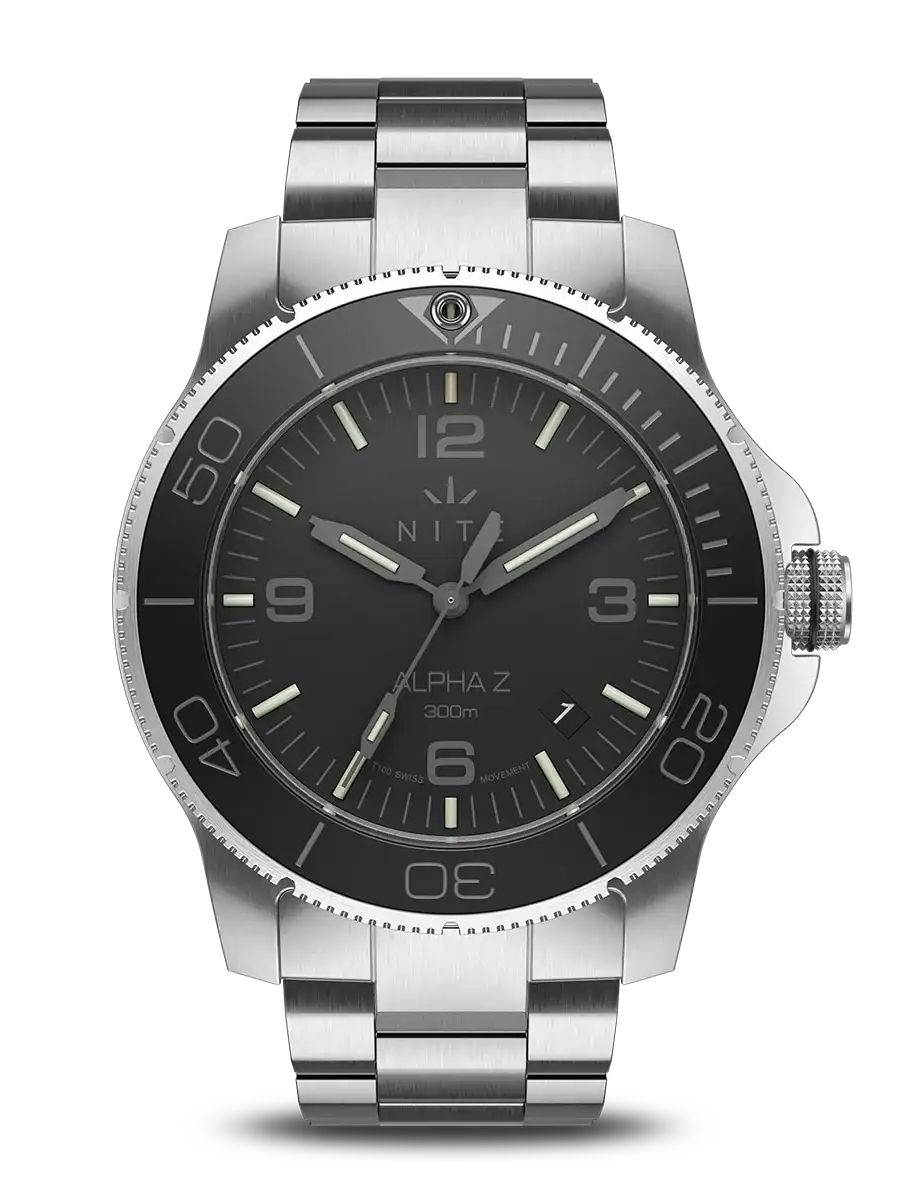
What you handle yourself: daily cleaning, strap changes with proper tools, visual inspections. Everything involving the case interior goes to our authorised service centre. All of it.
Depending on your specific model, battery replacement typically occurs every 3 to 7 years. When the battery comes out, seals get inspected and pressure tested before the watch comes back. Non-negotiable step that too many local watchmakers skip.
NITE Authorised Service Requirements
We've built our reputation supplying equipment that performs. The MX10 earned UK Special Forces selection because it worked when many other watches didn't. That same standard applies to aftercare. All servicing goes through our authorised service centre. This isn't bureaucracy, it's maintaining the standards that got us here.
Our service centre handles tritium legally and safely. They maintain proper pressure testing equipment, use genuine NITE parts, not generic replacements that fail prematurely. When your watch returns, you get full documentation: seal replacements, pressure test results, accuracy verification.
Contact us directly for genuine parts, technical guidance, and service coordination. Our warranty information covers exactly what's included and what needs authorised service. Unauthorised service voids warranty, risks improper tritium handling, and usually compromises water resistance. The potential cost saving isn't a reality and isn't worth the risk.
Tritium Tube Care and Preservation
Tritium tubes known as trigalights are sealed units manufactured by Swiss mb-microtec to military specifications. No direct maintenance required, but avoid impacts that could damage positioning or crack capsules to maintain your watch's luminous performance.
Notice tube displacement, brightness inconsistency, or visible damage? Contact an authorised service centre immediately. Tube issues require full dial replacement, which only authorised service centres can perform. Never attempt DIY repairs involving tritium.
Common Tritium Watch Care Mistakes
Operating the crown underwater causes more damage than anything else we see. Operating it whilst wet introduces water past seals and damages the Ronda movement. Just don't.
Household chemicals destroy rubber gaskets. Keep your watch away from cleaning products, solvents, insect repellents. All of them.
Neglecting service intervals lets dried lubricants increase wear and degraded gaskets to allow moisture in. Regular servicing isn't optional if you want reliable performance.
When to Contact Service: Maintenance Best Practices
Contact authorised service immediately if you see moisture under the crystal, accuracy shifts beyond normal Ronda variance (plus or minus 15 seconds monthly), crown operation feels stiff or gritty, or any tritium tube looks displaced.
Don't wait. Moisture damages the movement fast. What we've learned from years of field use: early intervention prevents expensive repairs and potential tritium system damage.
Questions about your specific model or maintenance protocols? Our contact page connects you directly with us. Professional-grade gear deserves professional-grade support.
Frequently Asked Questions
Can I clean my NITE watch with alcohol or chemical cleaners?
No. Never use alcohol or chemical cleaners on tritium watches. Alcohol, solvents, and harsh chemicals destroy rubber gaskets and compromise the seals protecting your tritium system. Stick to mild pH-neutral soap and lukewarm water. Daily maintenance needs nothing more than a microfiber cloth.
How often should I replace gaskets on my tritium watch?
Every 18 to 24 months for regular water exposure. If you're regularly exposing the watch to water, replace gaskets every 18 to 24 months. Less frequent water exposure means gaskets last longer, but get them inspected annually regardless. Degraded gaskets are how moisture gets where it shouldn't.
Is it safe to wear my NITE watch swimming in chlorinated pools?
Yes, it's completely safe. All NITE models handle pool swimming within their water resistance ratings without issue. Rinse with fresh water afterwards. Chlorine accelerates gasket wear, and that quick rinse adds significant life to your seals. Never operate the crown whilst wet or submerged.
Can I service my NITE watch at any local watchmaker?
No, use only our authorised NITE service centre. NITE watches need our authorised repair centre. Tritium is regulated, and proper water resistance maintenance requires specific protocols. Unauthorised service voids warranty, risks improper tritium handling, and usually compromises water resistance. Contact us for service coordination.
What should I do if I notice moisture under my watch crystal?
Stop wearing it immediately and contact an authorised service centre. Moisture damages the movement fast and compromises tritium tubes. Don't attempt DIY drying. Professional service assesses and repairs the seal failure before internal damage gets worse.
How often does my Swiss quartz movement need servicing?
Every 3 to 5 years minimum. Service includes ultrasonic cleaning, fresh lubrication, seal inspection, and accuracy regulation. Battery replacement happens every 3 to 7 years and seals get inspected and pressure tested during that process.


